Writing
Notes from the work: getting AI to run inside real teams, keeping it safe, and the plumbing it depends on.
Start here
-
What I believe about making AI work
Twelve beliefs I'd defend about putting AI agents into real work, from what an agent can reach and install to handing a build over, and where each one changes between a solo builder and a company.
-
Your AI agent trusts everything it reads
What a year and a half of attacks on AI agents shows about where the damage comes from, with the numbers, and the controls I'd put on any agent before it goes out.
Latest
- Now taking AI implementation clients Where AI usually leaks money and risk inside a company, the rules I build around it, and what each offer costs, starting with a free call and a $5,000 two-week Diagnostic.
- The bot that looked like a failure, and four other lessons from Tools for Humanity Four lessons for anyone buying AI help, from the help desk behind World App: score each agent on its own job, pull report numbers from the warehouse, route tickets on rules you can trace, and move teams onto new tools by rebuilding what they already use.
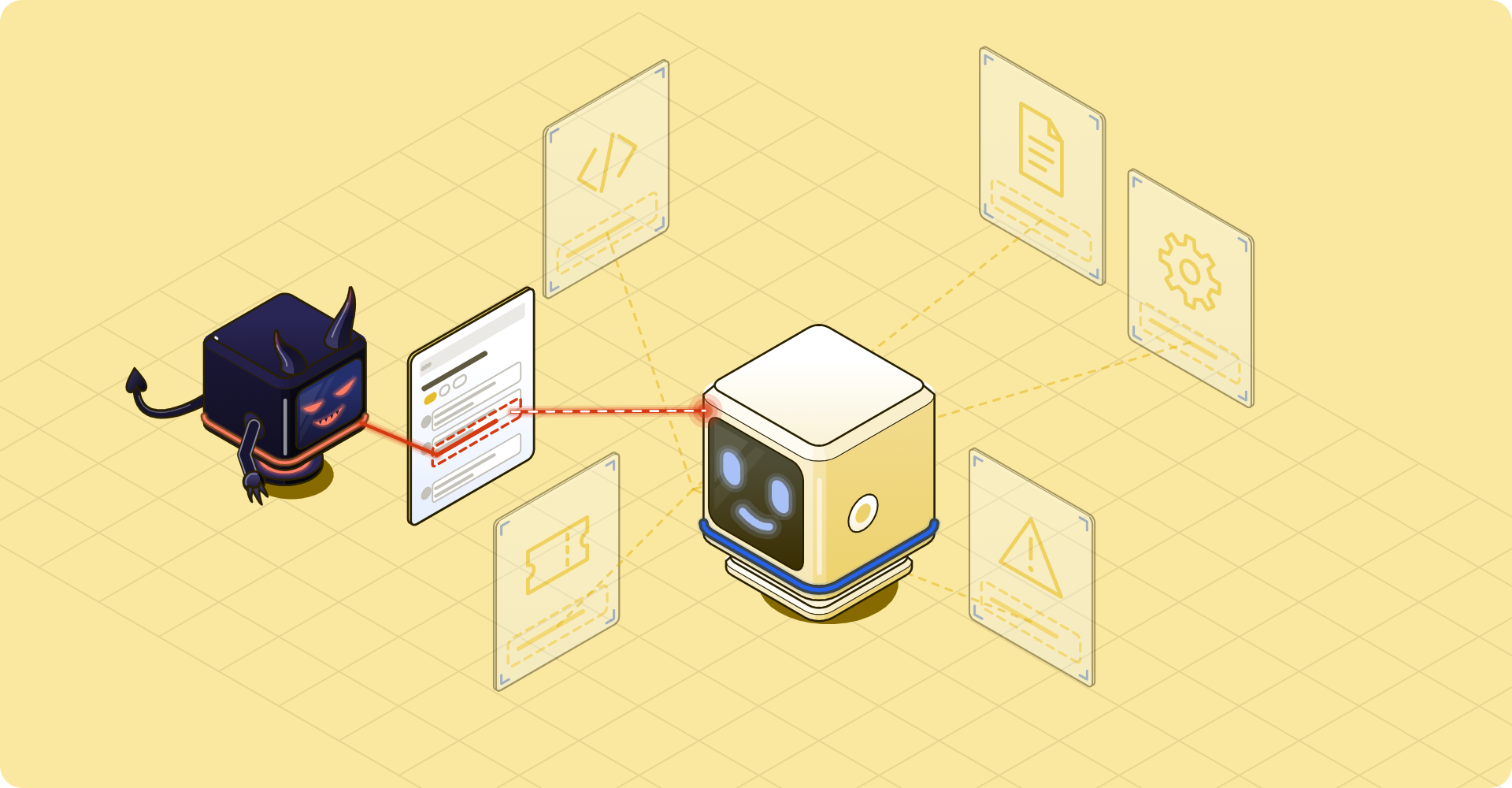
- RoguePilot and the Content Quarantine Problem What RoguePilot shows about any AI agent that reads text a stranger wrote, and the three walls I'd build around it: a reader with nothing worth stealing, output too narrow to carry an instruction, and checks in code the agent can't switch off.
Earlier
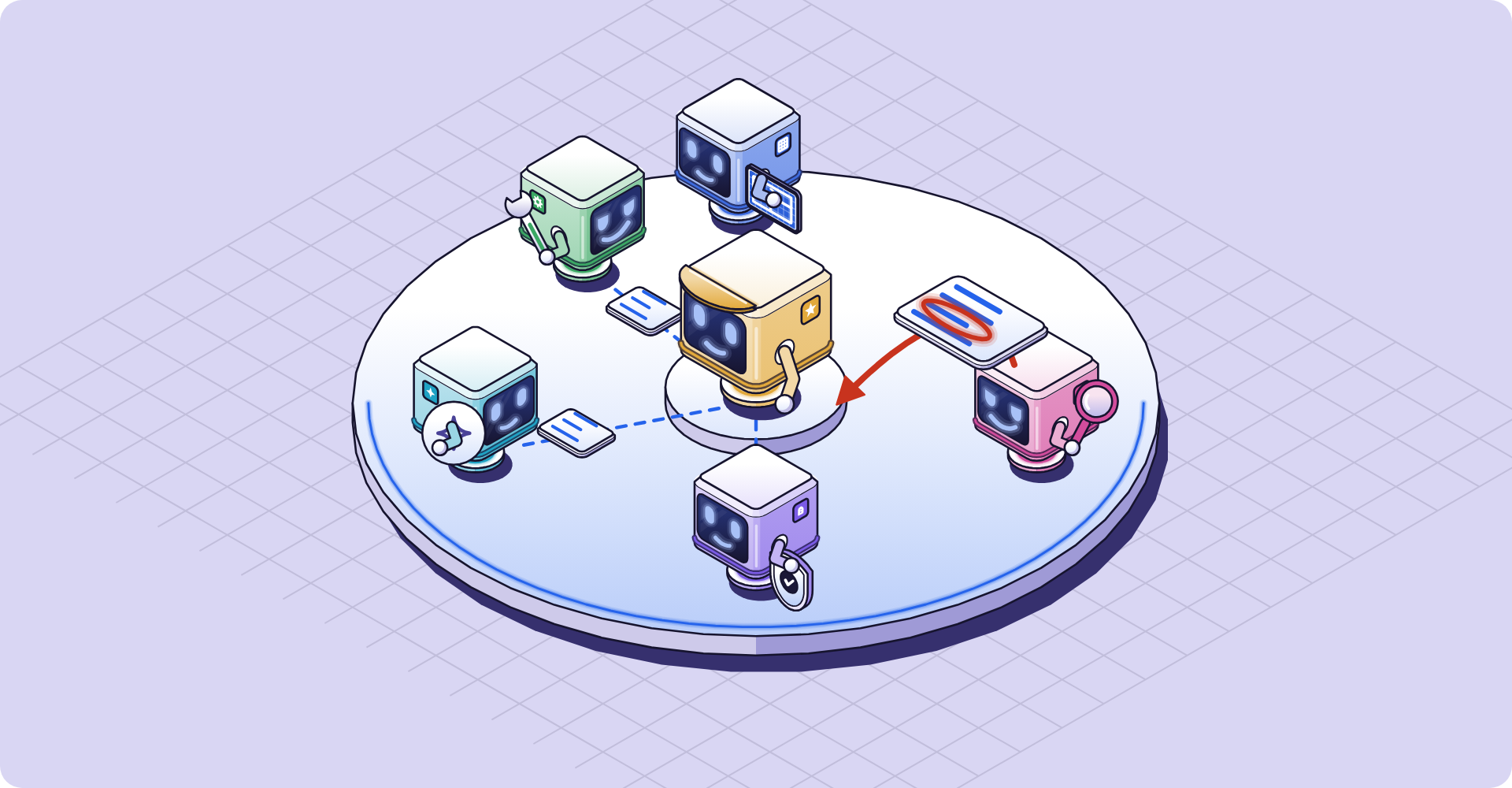
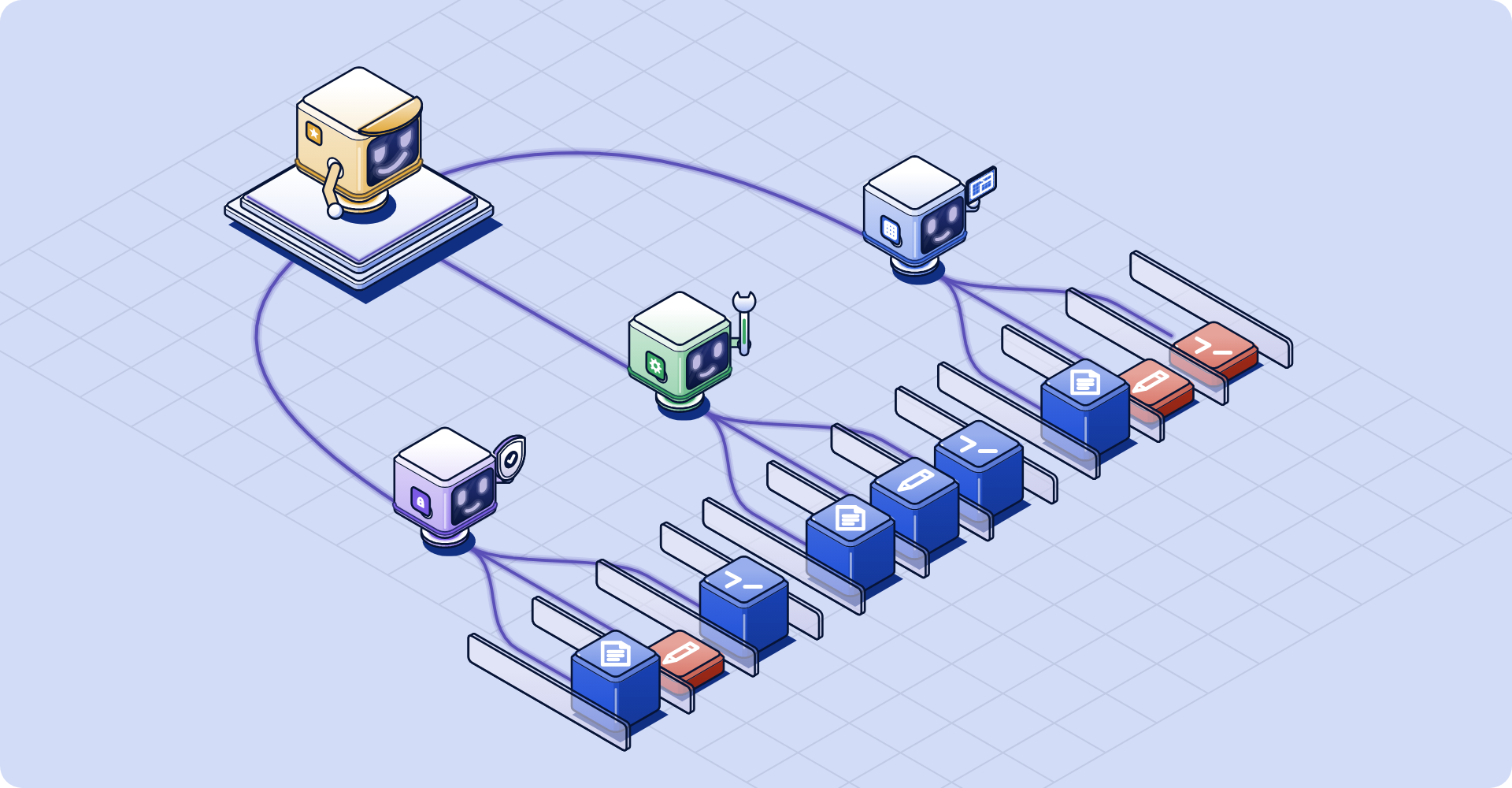
- Running a team of AI agents Which limits on AI agents belong in code and which can be left to the model's judgment, and how I check an 11-agent team's work without reading the code.
- Multi-Agent System The 11 agents behind ALAI, the parts of the system that behave the same way every time, and the dated failures that decided which parts needed to.
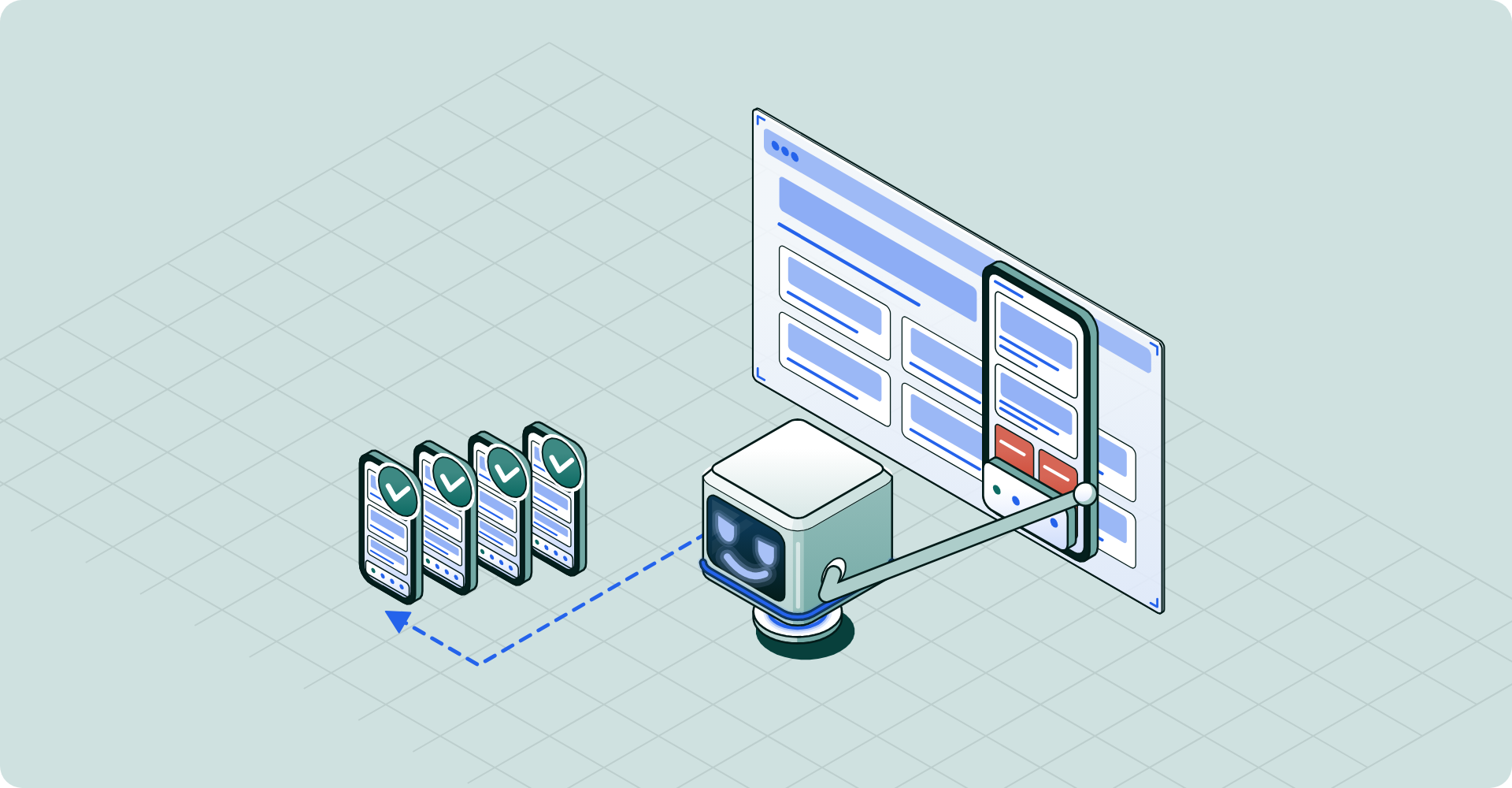
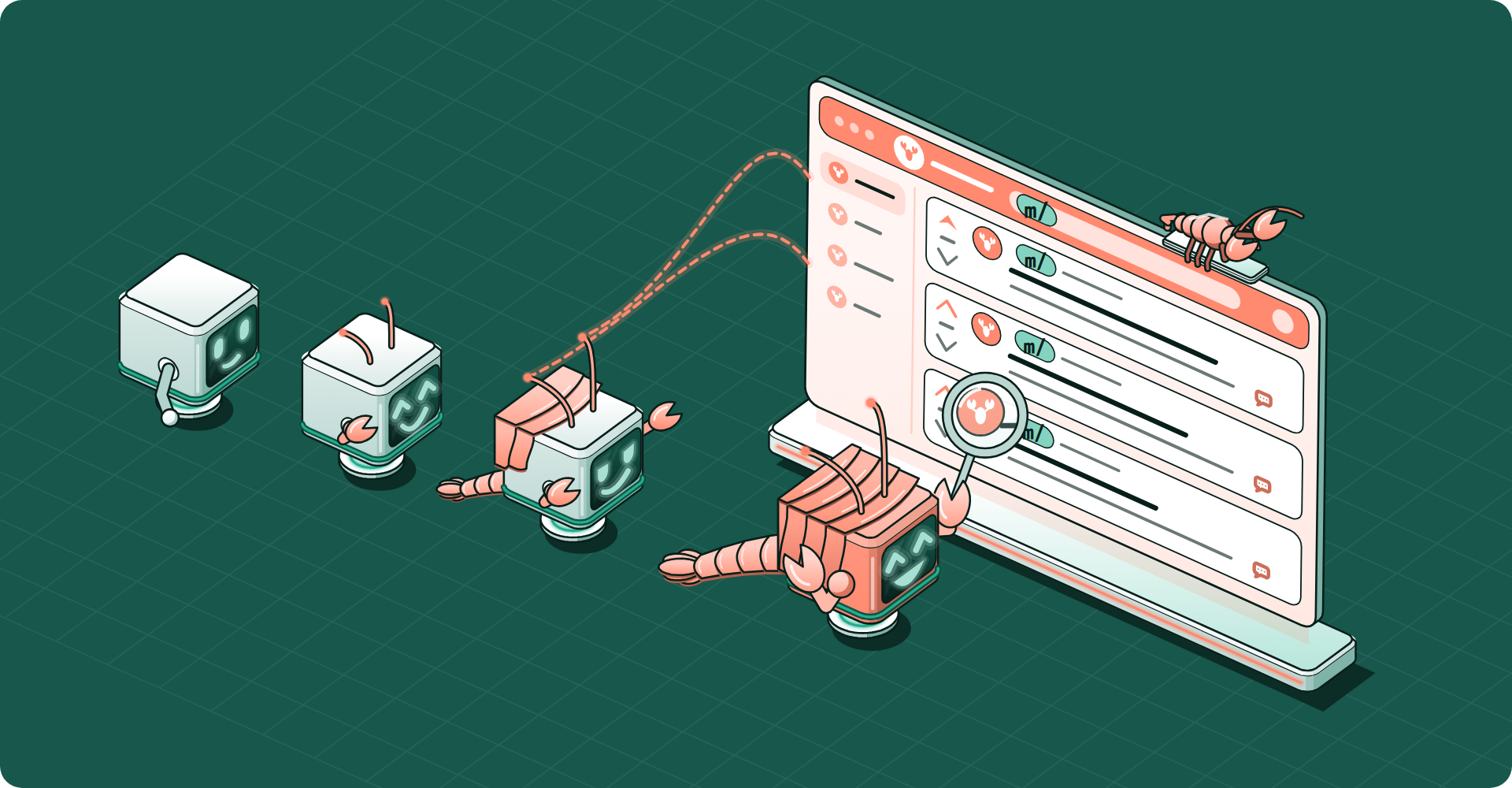
- Playwright Testing (AI Visual QA) How my AI agents check a screen in a real browser at desktop and phone widths before calling it done, what that caught on a World App mini-app, which catches should become tests, and when Maestro fits better than Playwright.
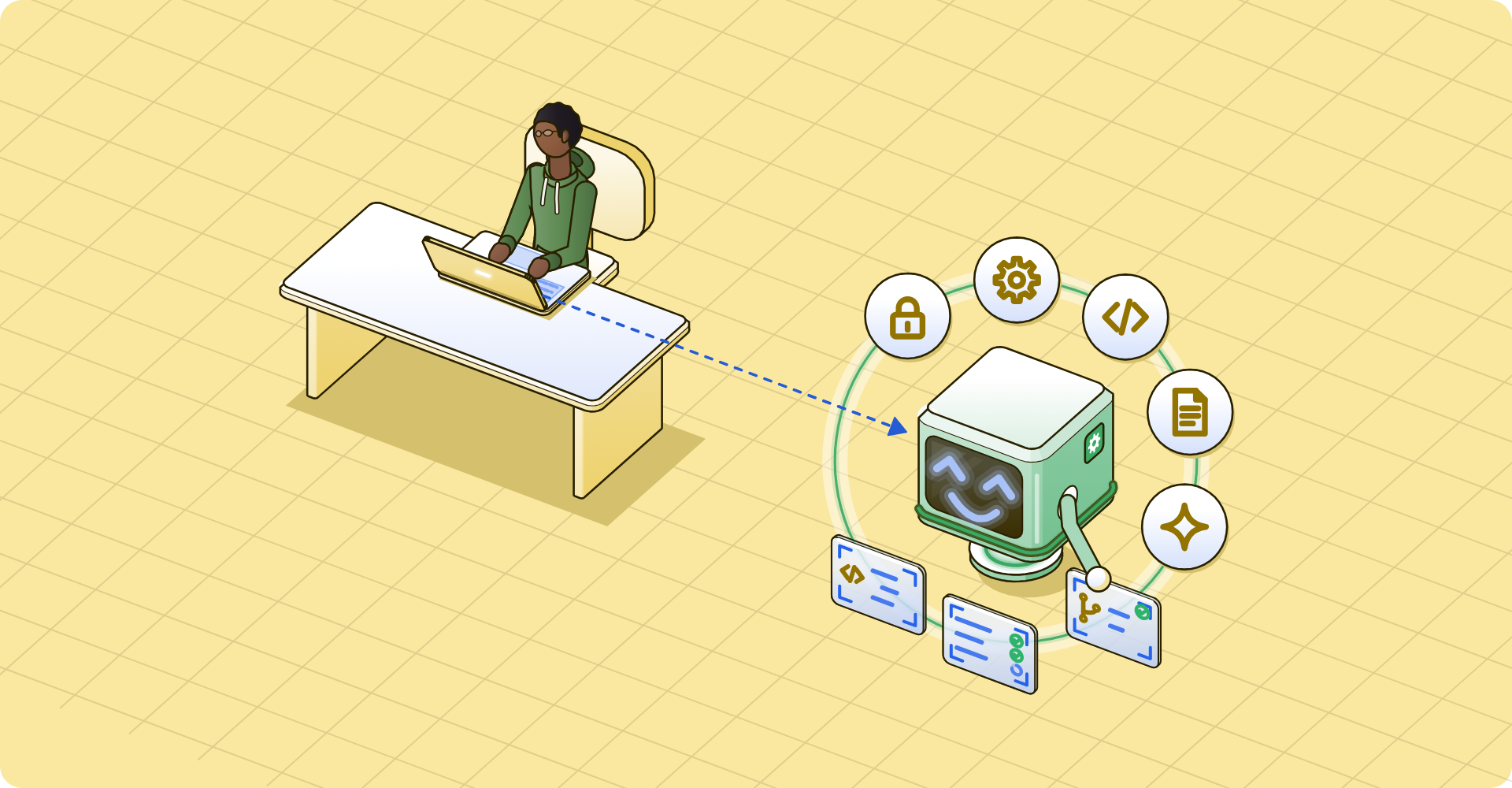
- AI-Augmented Engineer From World App's help center and mobile app to a smart-contract security engine and this site: what I've built with AI, how I check it without reading the code, and the calls I never hand to a model.
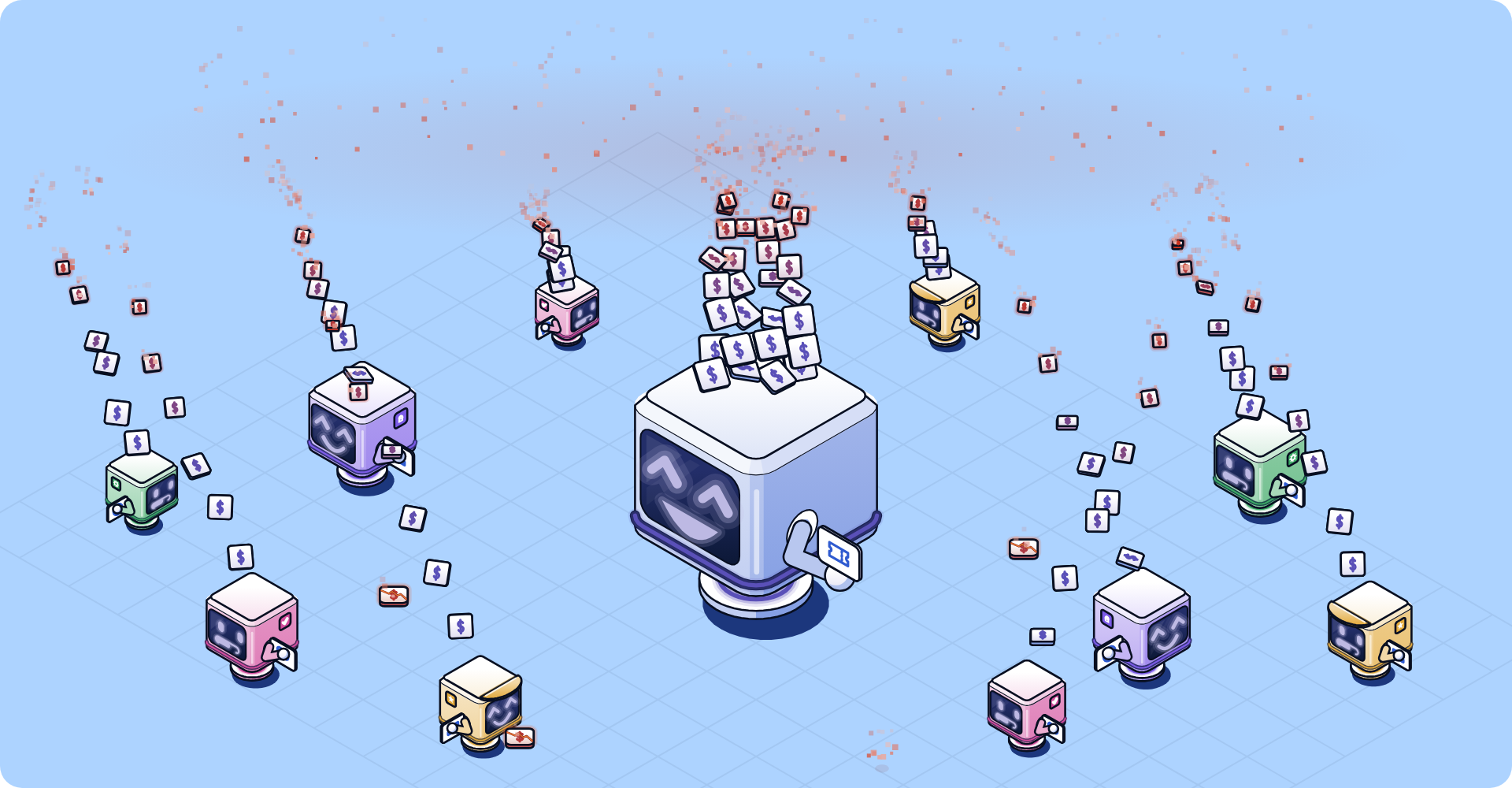
- AI cost management in production How I keep AI spend traceable and capped on my own builds, and what a company needs on top: a dashboard it owns, velocity alerts a person answers, gateways with access by role, and outcomes to measure the spend against.
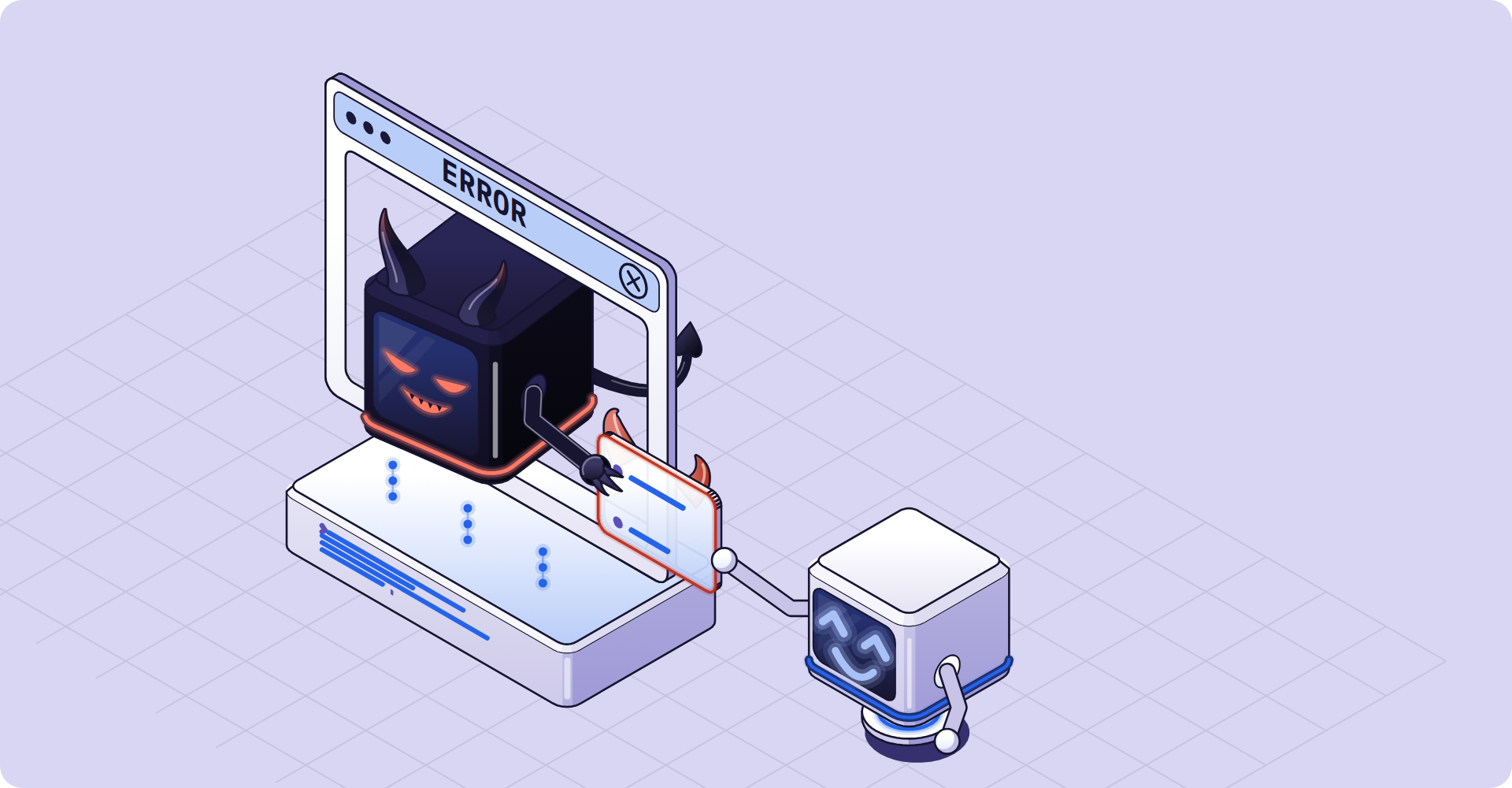
- Prompt Injection Learnings How a contract's own error messages could have steered WalletGuard's exploit loop, the three gaps a design review caught before any code was written, and what I'd check in any AI tool that reads text someone else wrote.
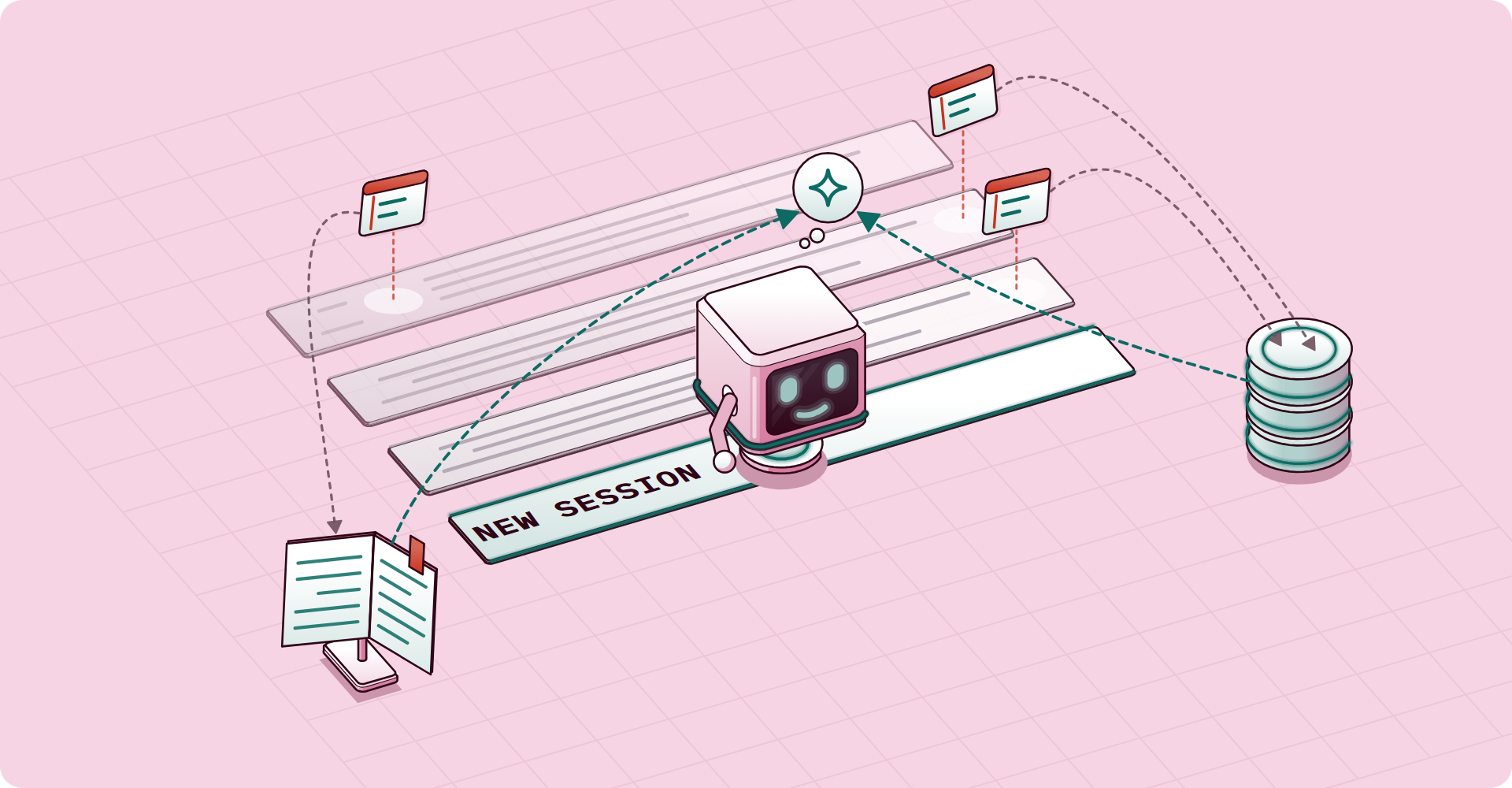
- How I get AI to remember a correction Which corrections I write down for an AI agent to weigh, which I enforce in code, and how I manage the context window, the prompt cache and files another provider could pick up.
- Agent Ecosystems (Moltbook) Leaked keys, people posing as agents, and story-style posts that drew more than 1,000 agents to one website. What Moltbook taught anyone connecting an agent to outside content or other agents, and why I killed the observer I built to read it.
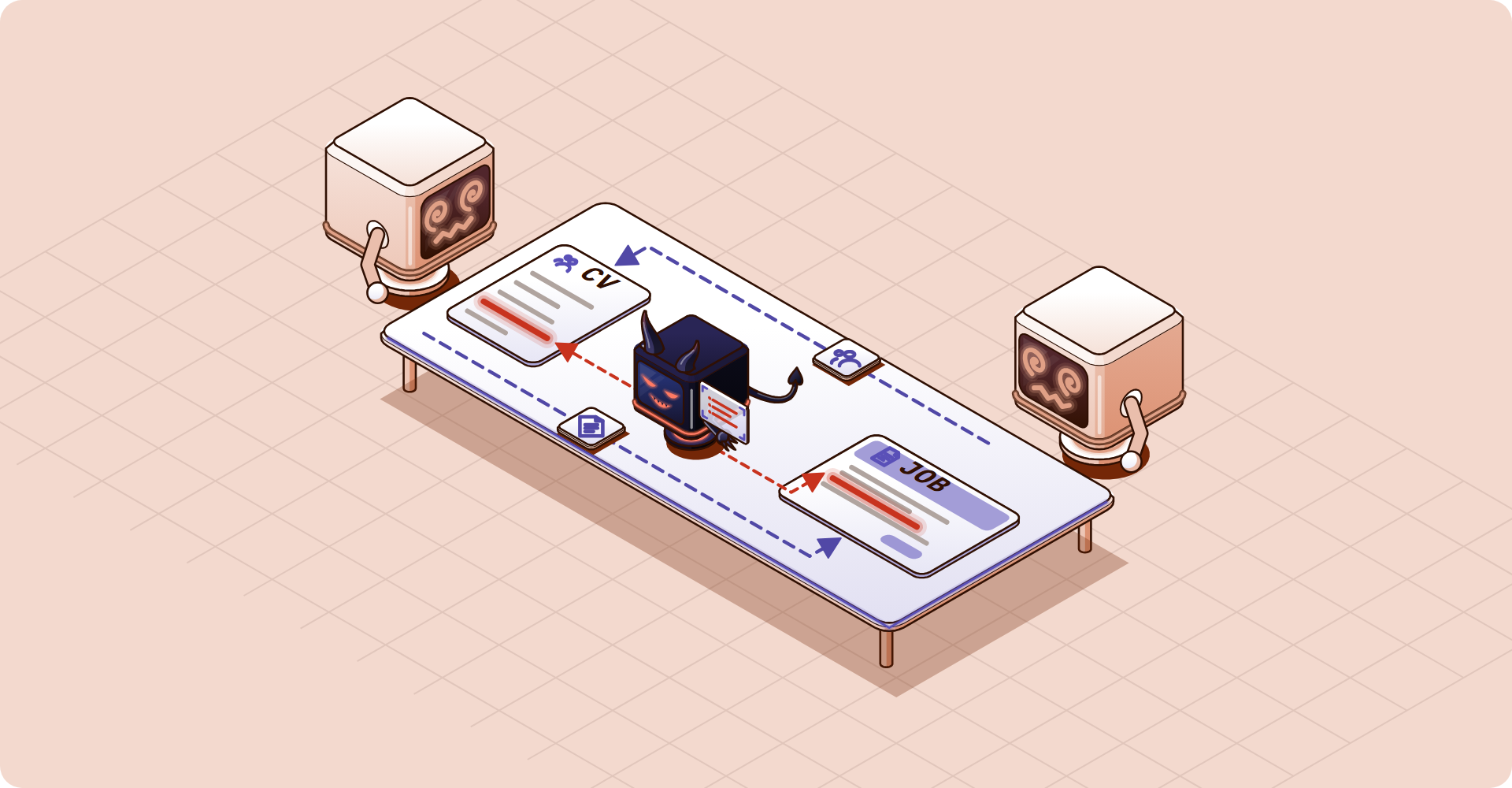
- Job Platform Honeypots for AI Agents What the hidden instructions in job postings and resumes actually catch, why job boards are reaching for fraud controls, and which steps to guarantee in code on either side of the hiring table.
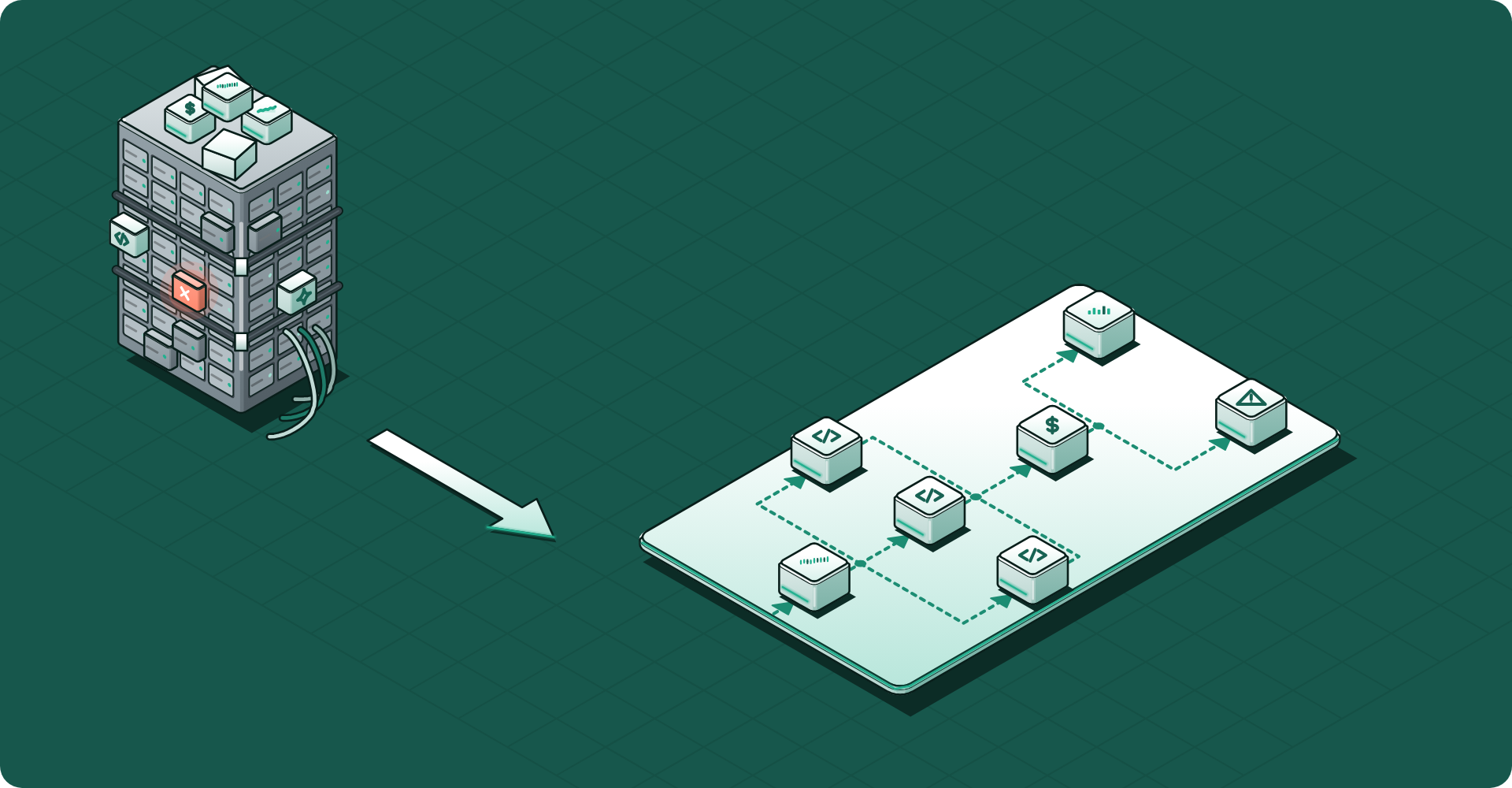
- Microservice Decomposition A trading platform I built went from one process to more than a dozen containers to two. The line that survived both rebuilds is the one I now draw in any system with a model in it: what has to be fast and certain runs in plain code.
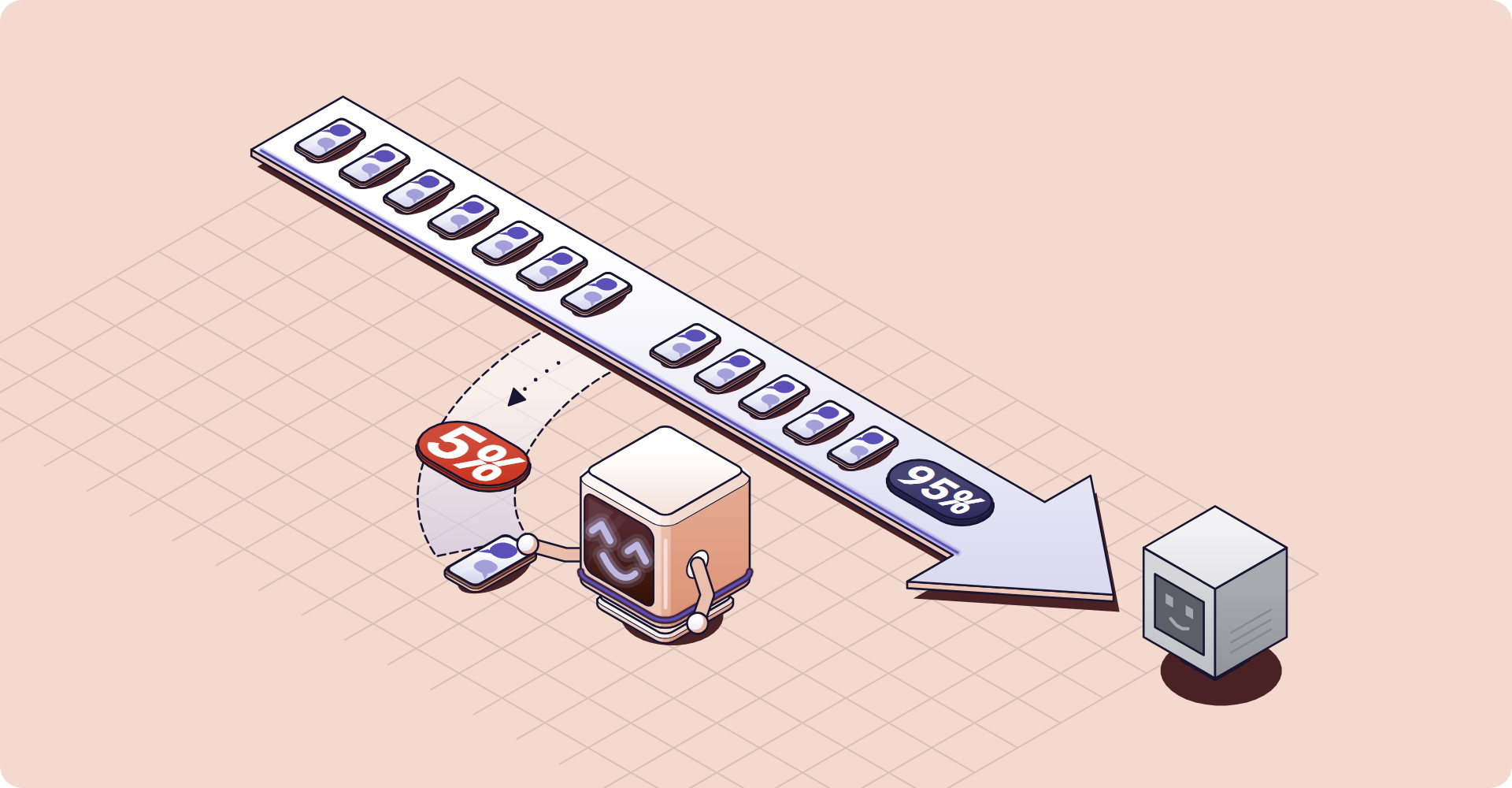
- Why World App's support bot started on 5% of live traffic How a three-way split on live traffic and a redesign sprint took World App's support bot from the old bot's 55% containment to a stable 82%, plus the escalation rules that keep that number honest and how I'd size the first slice of any AI rollout.
- Your best future engineers already work in operations Operations admins write the logic customers and employees run into, see the product's gaps first and hear what customers ask for. AI lets them build to the rules they know, as long as the rules that can't bend stay out of the model's hands.
Is your company paying for AI that hasn't changed how the work gets done?